A well-equipped workshop transforms ordinary projects into satisfying accomplishments. This tools and workshop guide covers everything needed to build, organize, and maintain a productive workspace. Whether someone is setting up their first garage shop or upgrading an existing space, the right combination of hand tools, power tools, and organization systems makes all the difference. The following sections break down essential equipment, smart layout strategies, and safety practices that every workshop owner should know.
Table of Contents
ToggleKey Takeaways
- A complete tools and workshop guide covers hand tools, power tools, organization systems, and safety practices for a productive workspace.
- Quality hand tools like hammers, screwdrivers, measuring tools, and wrenches form the foundation of any workshop and last for generations.
- Power tools such as cordless drills, circular saws, and sanders multiply productivity by turning hour-long tasks into minutes of work.
- Smart workshop organization—including pegboard systems, labeled drawers, and mobile tool bases—saves time and reduces hazards.
- Essential safety equipment includes ANSI-rated safety glasses, hearing protection, and an ABC-type fire extinguisher within easy reach.
- The best workshop layout follows your workflow pattern, with materials entering one area, moving through processing stations, and exiting as finished projects.
Essential Hand Tools Every Workshop Needs
Hand tools form the foundation of any workshop. They require no electricity, rarely break, and often provide more control than their powered counterparts.
Hammers and Mallets
A 16-ounce claw hammer handles most general tasks. A rubber mallet protects surfaces during assembly work. Dead-blow hammers prevent bounce-back when striking metal or plastic components.
Screwdrivers and Drivers
A quality set includes flathead and Phillips drivers in multiple sizes. Square-drive (Robertson) and Torx bits have become standard for modern hardware. Magnetic tips save time and frustration.
Measuring and Marking Tools
A 25-foot tape measure covers most projects. A combination square checks 90-degree and 45-degree angles accurately. Marking knives create precise lines for fine woodworking, while carpenter’s pencils work well for rougher cuts.
Cutting Tools
Hand saws remain useful for quick cuts and tight spaces. A utility knife with replaceable blades handles dozens of daily tasks. Chisels in 1/4-inch, 1/2-inch, and 1-inch widths cover most wood-shaping needs.
Wrenches and Pliers
Adjustable wrenches in 8-inch and 12-inch sizes fit most nuts and bolts. Needle-nose pliers reach tight spots. Locking pliers (Vise-Grips) grip stubborn fasteners. A socket set with both metric and standard sizes completes the collection.
Investing in quality hand tools pays off over years of use. Cheap tools bend, break, and frustrate. Good tools feel balanced and last generations.
Power Tools That Make a Difference
Power tools multiply productivity. They turn hour-long tasks into minutes of work. A tools and workshop guide would be incomplete without covering these essential machines.
Drills and Drivers
A cordless drill/driver ranks as the most-used power tool in most workshops. An 18-volt or 20-volt model provides enough power for drilling holes and driving screws. Impact drivers excel at long screws and lag bolts, they deliver more torque without stripping screw heads.
Saws
Circular saws make straight cuts through plywood and lumber quickly. Jigsaws handle curves and irregular shapes. A miter saw delivers precise angled cuts for trim work and framing. Table saws offer the most accuracy for ripping boards to width.
Sanders
Random orbital sanders smooth surfaces faster than hand sanding while leaving minimal swirl marks. Belt sanders remove material aggressively for leveling and shaping. Detail sanders reach corners that larger tools can’t access.
Routers
Routers shape edges, cut dadoes, and create decorative profiles. A 1-1/2 horsepower model handles most home workshop tasks. Plunge routers allow mid-surface cuts for inlays and mortises.
Air Compressors and Nailers
Pneumatic nailers speed up framing, trim installation, and upholstery work. A 6-gallon compressor powers most brad nailers and finish nailers. Larger tanks support framing nailers without constant cycling.
Battery technology has improved dramatically. Many woodworkers now choose cordless versions of previously corded-only tools like circular saws and reciprocating saws.
Organizing Your Workshop for Maximum Efficiency
Organization determines how smoothly work flows. A cluttered workshop wastes time and creates hazards. Smart storage and layout choices fix both problems.
Workbench Placement
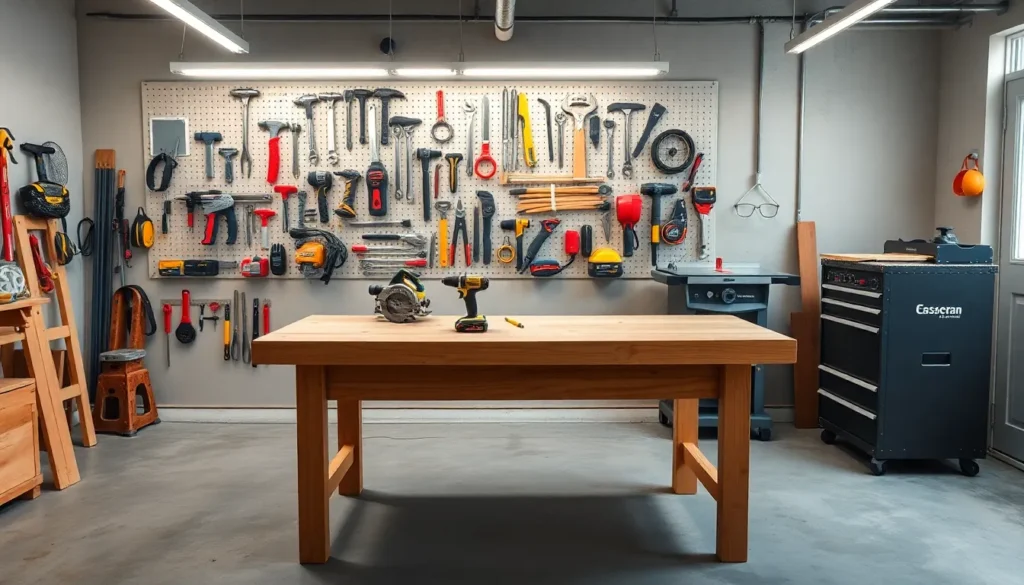
The workbench serves as the workshop’s central hub. Position it with access from multiple sides when possible. Leave at least 36 inches of clearance around stationary power tools. Natural light from windows reduces eye strain during detailed work.
Wall Storage Solutions
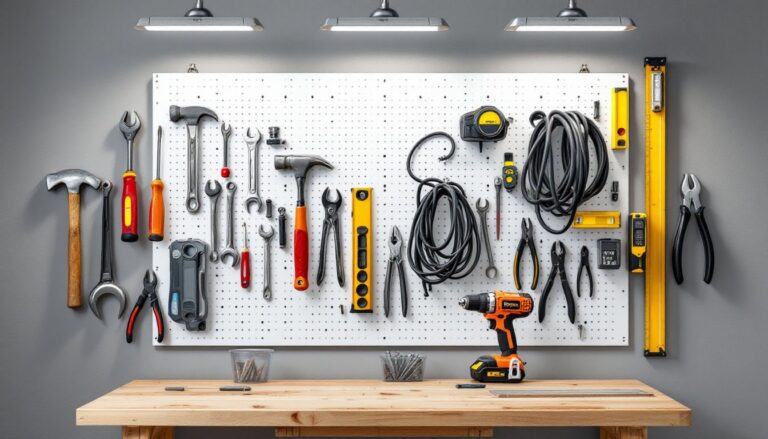
Pegboard systems keep hand tools visible and accessible. French cleat systems allow flexible shelf and holder placement. Magnetic strips hold metal tools securely on walls. Shadow boards with tool outlines show exactly where each item belongs.
Drawer and Cabinet Organization
Small parts disappear in deep drawers. Shallow drawers with dividers keep screws, nails, and hardware sorted. Label everything, memory fails during busy projects. Clear bins let workers see contents without opening lids.
Mobile Bases and Carts
Rolling bases under heavy tools allow flexible shop layouts. Tool carts bring supplies to the work area instead of requiring constant trips. Fold-down outfeed tables support long boards during cutting without taking permanent floor space.
Dust Collection
A shop vacuum handles small messes. Dedicated dust collectors connect to table saws, planers, and sanders for continuous cleanup. Clean floors prevent slips. Clean air protects lungs.
The best workshop layout follows workflow patterns. Materials enter one area, move through processing stations, and exit as finished projects.
Safety Practices and Equipment
Workshop injuries happen fast. Proper safety practices and equipment prevent most accidents before they occur.
Eye Protection
Safety glasses protect against flying debris during cutting, drilling, and grinding. They should meet ANSI Z87.1 standards. Side shields block particles from peripheral angles. Keep multiple pairs around the workshop, convenience encourages consistent use.
Hearing Protection
Power tools exceed safe noise levels. Foam earplugs reduce noise by 20-30 decibels. Over-ear muffs provide better protection during extended sessions. Electronic muffs allow conversation while blocking harmful noise spikes.
Respiratory Protection
Dust masks filter large particles from sanding and cutting. N95 respirators block finer particles. Cartridge respirators protect against fumes from finishes, adhesives, and solvents. Good ventilation complements personal protection.
Hand and Body Protection
Work gloves protect hands during material handling but should be removed around spinning machinery, they can catch and pull hands into danger. Steel-toed boots prevent crush injuries. Avoid loose clothing and jewelry near power tools.
Fire Safety
Fine sawdust is combustible. Keep a fire extinguisher rated for wood, electrical, and flammable liquid fires (ABC type) within reach. Store finishing products in metal cabinets. Dispose of oil-soaked rags in sealed metal containers, they can spontaneously combust.
Tool-Specific Safety
Read manuals before using new tools. Use blade guards and push sticks on table saws. Clamp workpieces before routing. Disconnect power before changing blades or bits. Never override safety features.
Safety gear only works when people actually use it. Make it a habit, not an afterthought.