Bathroom tools make the difference between a quick fix and a costly service call. Every homeowner needs a basic toolkit to handle repairs, maintenance, and installations in this high-traffic space. From leaky faucets to clogged drains, the right bathroom tools save time, money, and frustration.
This guide covers the essential bathroom tools that belong in every home. Whether you’re tackling a minor repair or installing new fixtures, these tools will help you get the job done right.
Table of Contents
ToggleKey Takeaways
- Having the right bathroom tools—like plungers, wrenches, and drain snakes—saves money by letting you handle common repairs without calling a plumber.
- Every homeowner needs two plungers: a cup plunger for sinks and a flange plunger for toilets to effectively clear clogs.
- A basin wrench and pipe wrenches are essential bathroom tools for faucet replacements and working in tight spaces under sinks.
- Maintenance tools like squeegees, grout brushes, and caulk guns prevent mold growth and water damage when used regularly.
- Store bathroom tools in a dry location outside the bathroom to prevent rust, and wipe them dry after each use.
- Safety gear including work gloves, safety glasses, and a headlamp protects you during drilling, cutting, and repairs in confined spaces.
Basic Plumbing Tools for Common Bathroom Repairs
Most bathroom problems involve plumbing. A few basic bathroom tools can handle the majority of common issues.
Plungers
A quality plunger is the first line of defense against clogs. Homeowners should own two types: a cup plunger for sinks and a flange plunger for toilets. The flange design creates a better seal in toilet bowls, making it far more effective than a standard cup style.
Pipe Wrenches and Adjustable Wrenches
Pipe wrenches grip round pipes and fittings securely. They’re essential bathroom tools for removing stuck connections under sinks. An adjustable wrench handles hex nuts on supply lines and faucet connections. Keep both sizes, a 10-inch and 14-inch pipe wrench, for flexibility.
Basin Wrench
This specialized tool reaches into tight spaces behind sinks. Basin wrenches tighten or loosen faucet mounting nuts that regular wrenches can’t access. Anyone planning to replace a faucet needs this bathroom tool.
Drain Snake (Auger)
When plungers fail, a drain snake clears stubborn clogs. Manual augers work well for most bathroom drains. Feed the cable into the drain, rotate the handle, and break through hair and soap buildup. A 25-foot snake handles most residential bathroom clogs.
Plumber’s Tape and Putty
Plumber’s tape (Teflon tape) seals threaded pipe connections. Wrap it clockwise around threads before assembly to prevent leaks. Plumber’s putty creates watertight seals around drains and faucet bases. These inexpensive bathroom tools prevent water damage.
Cleaning and Maintenance Tools for a Spotless Bathroom
Regular maintenance keeps bathrooms functional and hygienic. The right bathroom tools make cleaning faster and more effective.
Toilet Brush and Holder
A sturdy toilet brush with stiff bristles removes stains and buildup. Choose one with a holder that allows the brush to dry completely between uses. This prevents bacteria growth and extends brush life.
Grout Brush
Tile grout collects mold, mildew, and soap scum. A dedicated grout brush features stiff, narrow bristles that clean between tiles effectively. Electric grout brushes save time in larger bathrooms.
Squeegee
A shower squeegee prevents water spots and reduces mold growth on glass doors and tile. Using one after each shower takes seconds but saves hours of deep cleaning later. It’s one of the simplest bathroom tools with the biggest payoff.
Caulk Removal Tool and Caulk Gun
Bathroom caulk deteriorates over time. A caulk removal tool scrapes away old, cracked caulk without damaging surfaces. A caulk gun applies fresh silicone caulk smoothly around tubs, showers, and sinks. Recaulking annually prevents water damage behind walls.
Inspection Mirror
A small inspection mirror helps spot leaks, mold, and damage in hard-to-see areas. Check under sinks, behind toilets, and around tub edges regularly. Early detection prevents expensive repairs.
Installation Tools for Bathroom Fixtures and Accessories
Installing new fixtures requires specific bathroom tools. Having these on hand makes upgrades and replacements straightforward.
Power Drill and Bits
A cordless drill speeds up installation projects. Use it to mount towel bars, toilet paper holders, and grab bars. Tile-specific drill bits prevent cracking when drilling into bathroom walls. A drill is among the most versatile bathroom tools for any homeowner.
Level
Nothing looks worse than a crooked mirror or towel bar. A 24-inch level ensures fixtures mount straight. Torpedo levels fit into tight spaces. Laser levels provide hands-free alignment for larger projects.
Stud Finder
Heavy items like medicine cabinets and grab bars need wall stud support. A stud finder locates solid wood behind drywall. This prevents fixtures from pulling out of walls, a common and frustrating problem.
Screwdriver Set
Phillips and flathead screwdrivers handle most bathroom hardware. A multi-bit screwdriver saves space. Long-shaft screwdrivers reach recessed screws in tight spots.
Tile Cutter
Homeowners replacing flooring or backsplash need a tile cutter. Manual snap cutters handle ceramic tiles affordably. Wet saws cut porcelain and natural stone. Renting a wet saw makes sense for one-time projects.
Hacksaw
A hacksaw cuts metal and plastic pipes to length. It also removes old, corroded hardware. Keep extra blades on hand, they dull quickly when cutting metal.
Safety and Organization Tips for Storing Bathroom Tools
Proper storage protects bathroom tools and keeps them accessible. Safe practices prevent injuries during repairs.
Storage Solutions
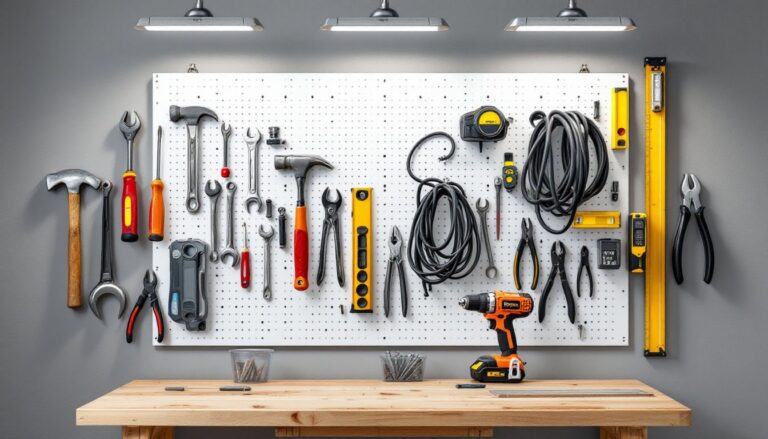
Store bathroom tools in a dedicated toolbox or cabinet. Damp environments cause rust, so keep tools outside the bathroom itself. A pegboard in a garage or utility closet organizes frequently used items. Tool rolls work well for plumbing-specific sets.
Moisture Protection
Wipe tools dry after each use. Apply a light coat of machine oil to metal surfaces periodically. Silica gel packets in toolboxes absorb excess moisture.
Safety Equipment
Safety glasses protect eyes from debris when drilling tile or cutting pipes. Work gloves prevent cuts from sharp edges. A headlamp illuminates dark cabinet interiors better than holding a flashlight.
Inventory Management
Keep a list of bathroom tools and their locations. Replace worn or damaged tools promptly. Stock extra supplies like plumber’s tape, caulk, and common washers. Nothing stalls a repair faster than a missing part.
Child Safety
Store sharp and heavy bathroom tools out of children’s reach. Locked cabinets or high shelves prevent accidents. Never leave tools unattended during projects.